Brisbane Lawn Guide

BINDII (BINDI) WEED
IN BRISBANE LAWNS.

A clear guide to bindii in Brisbane lawns: how to recognise it before the prickles arrive, the names people use for it, and the realistic treatment timeline after a professional visit.

Best Next Step

Treat bindii before the burrs harden

The best time to deal with bindii is while it is young and actively growing. Once sharp burrs have formed, killing the plant does not make those existing prickles instantly disappear.

Main related service: Lawn Weed Control Brisbane Southside

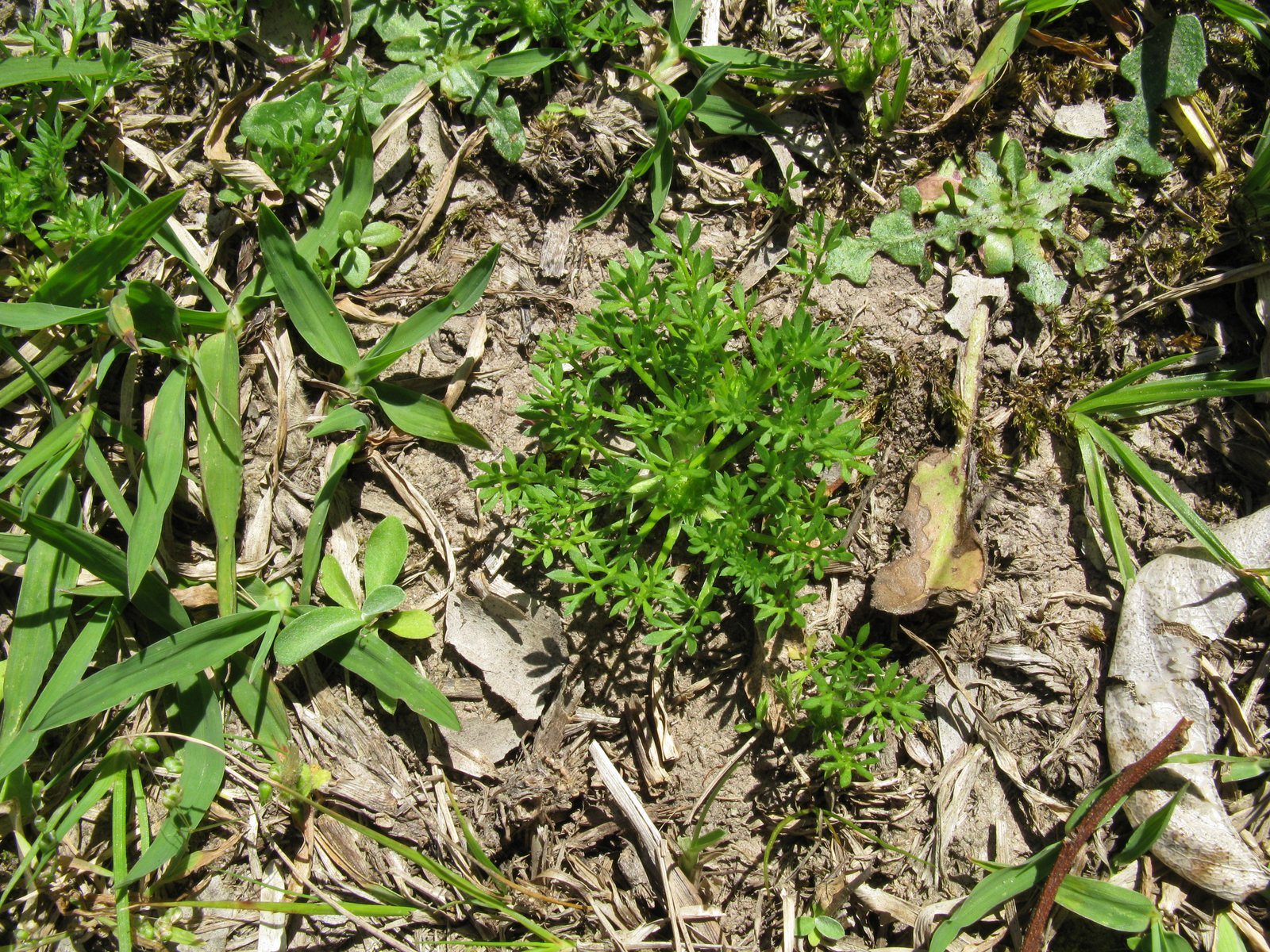
Bindii Soliva sessilis growing as a low rosette among turf and bare soil
Bindii (Soliva sessilis) has finely divided leaves and grows low through turf. Image: Harry Rose, Australia. Source · CC BY 2.0; resized.

Brisbane Guide

What bindi weed looks like

Bindii is a low, spreading annual weed with soft, finely divided leaves that can look a little like miniature parsley or carrot foliage. It sits close to the soil surface, which is why it can be easy to miss while the lawn is being mown.

The painful part develops later. As the plant matures, each flower head can form sharp, spiny burrs that catch in feet, paws, clothing, and outdoor mats. Finding the leafy plant before those burrs harden is the useful identification window.

  • Low, flat growth through the lawn
  • Fine, divided green leaves rather than a grass blade
  • Small flower heads close to the centre of the plant
  • Sharp burrs as the seed heads mature

Brisbane Guide

Bindi, bindii, bindy-eye and other names

The botanical name is Soliva sessilis. Around Australia it is commonly called bindii or bindi, and you may also hear bindy-eye, bindi-eye, lawn burweed, lawn burrweed, jo-jo, or Onehunga weed.

Those names are often used for the same prickly lawn plant, but a photo or on-site check is still worthwhile. Other burr-producing weeds can be called similar things, and correct identification matters before any selective lawn treatment.

Brisbane Guide

When bindii appears in Brisbane lawns

Bindii commonly germinates in autumn, grows through the cooler months, and forms burrs from late spring into summer. That makes it one of the winter weeds worth finding early, before bare feet discover it first.

Thin turf and open soil give the seedlings room to establish. Treatment handles the current plants, while better turf density and sensible ongoing care help reduce the open spaces that future seedlings can exploit.

Brisbane Guide

How long bindii takes to die after treatment

With the selective treatment we use, susceptible bindii that is actively growing may begin to show slower growth, curling, or colour change over the first 1 to 2 weeks. Complete die-off is gradual and can take about 4 to 6 weeks under good growing conditions.

Weather, weed maturity, mowing, turf stress, and how actively the plant is growing all affect the pace. A plant can be responding even when it has not turned brown straight away, so spraying again too early is not the right way to judge the first treatment.

Brisbane Guide

Killing the plant does not remove existing prickles

If burrs have already hardened, successful treatment can control the living plant but does not dissolve those burrs. They may need to be physically collected or allowed to break down, which is why early identification through a broadleaf weed check is much more comfortable.

New seedlings can also appear after the treated plants die because existing seed remains in the lawn. Ongoing monitoring is about catching that next generation early, not pretending one visit can remove every seed already present.

Quick Answers

Frequently Asked Questions

Are bindi and bindii the same lawn weed?

Usually, yes. Bindi and bindii are common spellings for Soliva sessilis, also called bindy-eye, lawn burweed, jo-jo, and Onehunga weed.

When is the best time to treat bindii in Brisbane?

Treat it while the plants are young and actively growing through the cooler months, before the sharp burrs harden in late spring or summer.

How long does bindii take to die after treatment?

Visible change may begin within 1 to 2 weeks, while complete die-off can take about 4 to 6 weeks in good growing conditions. Mature or stressed plants can respond more slowly.

Will treatment make existing bindi prickles disappear?

No. Even when treatment controls the living plant, burrs that have already hardened remain until they are removed or naturally break down.

Best Next Steps

Move From Research To The Right Page

If the guide matches what you are seeing in the lawn, these are the next pages that connect the problem back to the actual Weeds Gone Wild offer.

Primary Service

Lawn Weed Control Brisbane Southside

Professional lawn weed control across Brisbane southside. We treat lawn weeds, garden beds, paths and driveway edges with the same clear Weeds Gone Wild package.

Explore Page

Secondary Service

Every 2 Months Lawn Treatment Brisbane Southside

Ongoing lawn treatment every 2 months across Brisbane southside for $99 with no lock-in and no cancellation penalty. Built for recurring weed control and easier upkeep.

Explore Page

Main Landing Page

Brisbane Southside Lawn Spraying & Weed Control

Go back to the main booking page if you already know you want the simple Weeds Gone Wild offer and pricing.

Explore Page

Guide

Common Weeds in Brisbane Lawns

A practical guide to the weed problems that commonly show up in Brisbane lawns and when it makes sense to move from guessing to proper treatment.

Explore Page

Guide

Broadleaf Weeds in Brisbane Lawns

Learn how to recognise common broadleaf weeds in Brisbane lawns, why correct identification matters and how long treatment results can take.

Explore Page

Guide

Winter Weeds in Brisbane Lawns

Identify common winter weeds in Brisbane lawns, including winter grass, bindi and clover, with realistic treatment and recovery timelines.

Explore Page

Guide

Clover in Brisbane Lawns

Identify white clover in Brisbane lawns, learn common lookalikes and what to expect in the weeks after professional treatment.

Explore Page