Brisbane Lawn Guide

CROWSFOOT GRASS
IN BRISBANE LAWNS.

How to recognise crowsfoot grass, why it needs a different treatment path from broadleaf weeds, and why established plants sometimes need a follow-up assessment rather than a fixed-day promise.

Best Next Step

Crowsfoot is a grass weed, not a broadleaf

The strongest results come from identifying crowsfoot while it is young. Coarse, established clumps with multiple tillers can be slower and may need another treatment decision after review.

Main related service: Lawn Weed Control Brisbane Southside

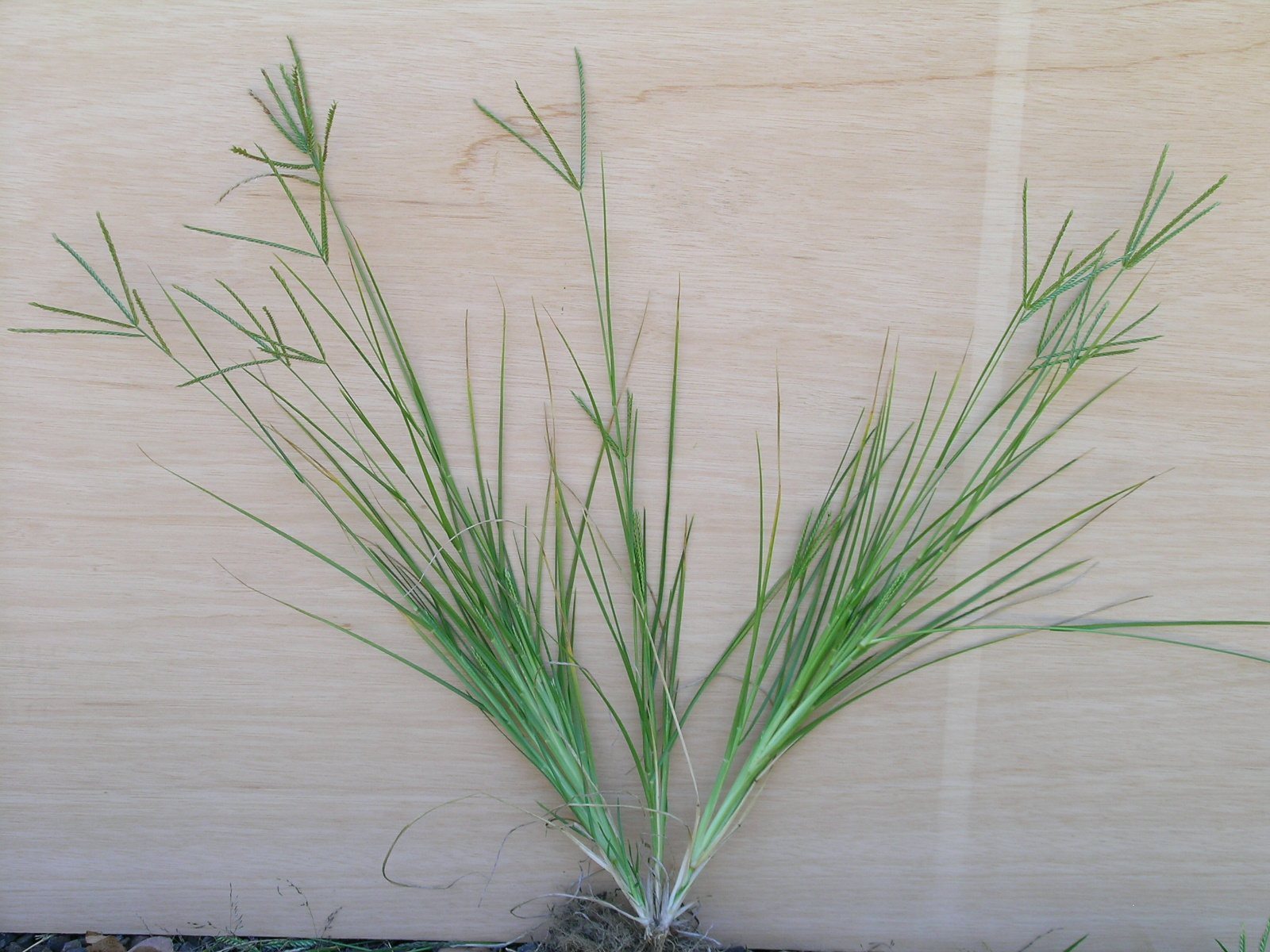
Uprooted crowsfoot grass Eleusine indica specimen showing its tuft and finger-like seed heads
This Australian crowsfoot grass (Eleusine indica) specimen shows the coarse tuft and seed-head branches that spread like fingers. Image: Harry Rose, Australia. Source · CC BY 2.0; resized.

Brisbane Guide

How to identify crowsfoot grass

Crowsfoot grass, Eleusine indica, is a coarse, tufted grass weed. Its stems can spread out from a flattened centre, and the leaf sheaths are noticeably compressed or keeled rather than round and soft.

The most recognisable feature is the seed head: several narrow branches radiate from one point like fingers or the toes of a bird. Plants can grow flat under mowing pressure before becoming more obvious as the clump and seed heads develop.

  • Coarse tuft that contrasts with finer lawn turf
  • Flattened, often pale centre at the base
  • Firm blades and prominently keeled leaf sheaths
  • Finger-like seed-head branches radiating from one point

Brisbane Guide

Other names for crowsfoot

Other names include crowsfoot grass, goose grass, goosefoot, bull grass, dog grass, iron grass, and sometimes crab grass. The botanical name Eleusine indica is the most reliable way to separate the species from casual names.

Crabgrass is a particularly confusing alias because that name is also widely used for Digitaria species. A finger-like seed head alone is not enough if the rest of the plant does not match, so close identification is worth doing.

Brisbane Guide

Why crowsfoot appears in Brisbane lawns

Crowsfoot favours disturbed, compacted, or thinner ground where dense lawn is not filling the space. It is a warm-season, usually short-lived grass problem and becomes more obvious through spring and summer as growth and seed-head production accelerate.

Because it is a grass weed, it does not follow the same treatment logic as broadleaf weeds such as bindi or clover. The turf variety, plant stage, and growing conditions all matter before treatment.

Brisbane Guide

How long crowsfoot takes to respond

Young, actively growing crowsfoot may begin to lose vigour and show colour change over the days and weeks after treatment. We assess the result across a 2 to 4 week window rather than promising that every plant will be dead on one fixed day.

Seedling-to-tillering plants are the best target. Established, heavily tillered clumps can need follow-up treatment after 2 to 4 weeks, especially when growth conditions were poor or the plant was already mature at the first visit.

Brisbane Guide

What happens after the clump declines

A dead or collapsing crowsfoot clump can leave a visible gap in the lawn. The surrounding turf needs time and suitable growing conditions to move back into that space; weed death and instant lawn repair are not the same event.

Reducing compaction where practical, improving turf coverage, and catching the next seedlings early all help. A common Brisbane weeds check is useful when crowsfoot is appearing alongside other species.

Quick Answers

Frequently Asked Questions

Is crowsfoot the same as crabgrass?

Crowsfoot is sometimes called crab grass, but crabgrass is also used for Digitaria species. The names overlap, so the plant should be identified by its full growth habit and seed head.

Is crowsfoot a broadleaf weed?

No. Crowsfoot is a grass weed, which is why it needs a different treatment decision from bindii, clover, and other broadleaf weeds.

How long does crowsfoot take to die after treatment?

We assess the response over 2 to 4 weeks. Young plants can decline sooner, while established or tillered clumps may need follow-up treatment after that review period.

Why might established crowsfoot need a follow-up?

Larger plants have more developed tillers and can be harder to control. Weed maturity, turf type, stress, and growing conditions all affect the first treatment response.

Best Next Steps

Move From Research To The Right Page

If the guide matches what you are seeing in the lawn, these are the next pages that connect the problem back to the actual Weeds Gone Wild offer.

Primary Service

Lawn Weed Control Brisbane Southside

Professional lawn weed control across Brisbane southside. We treat lawn weeds, garden beds, paths and driveway edges with the same clear Weeds Gone Wild package.

Explore Page

Secondary Service

Every 2 Months Lawn Treatment Brisbane Southside

Ongoing lawn treatment every 2 months across Brisbane southside for $99 with no lock-in and no cancellation penalty. Built for recurring weed control and easier upkeep.

Explore Page

Main Landing Page

Brisbane Southside Lawn Spraying & Weed Control

Go back to the main booking page if you already know you want the simple Weeds Gone Wild offer and pricing.

Explore Page

Guide

Common Weeds in Brisbane Lawns

A practical guide to the weed problems that commonly show up in Brisbane lawns and when it makes sense to move from guessing to proper treatment.

Explore Page

Guide

Broadleaf Weeds in Brisbane Lawns

Learn how to recognise common broadleaf weeds in Brisbane lawns, why correct identification matters and how long treatment results can take.

Explore Page

Guide

Winter Weeds in Brisbane Lawns

Identify common winter weeds in Brisbane lawns, including winter grass, bindi and clover, with realistic treatment and recovery timelines.

Explore Page

Guide

Why Weeds Keep Coming Back in Brisbane Lawns

Why lawns across Brisbane keep slipping back into weed pressure and why one-off improvement is not always the same thing as long-term control.

Explore Page